5 Best Tea Tree Essential Oils for 2026 (Clean, Pure, Potent)
If you want clean, pure, potent tea tree oils for 2026, these five stand out: First Botany Tea Tree Essential Oil, 1 fl oz, pure Australian oil; Cliganic Organic Tea Tree Essential Oil, 4–10 mL options, USDA organic and third-party tested; Tea Tree Essential Oil (16 oz) Therapeutic Grade, bulk size for DIY use; NaturoBliss Tea Tree Essential Oil, 4 oz, steam-distilled and UV-glass packaged; SU JUABA Tea Tree Essential Oil, 4 oz, undiluted and amber glass. Each offers clear labeling, dilution guidance, and tested purity; you’ll learn more as you compare specs, prices, and certifications.
| First Botany Tea Tree Essential Oil 1 fl oz | 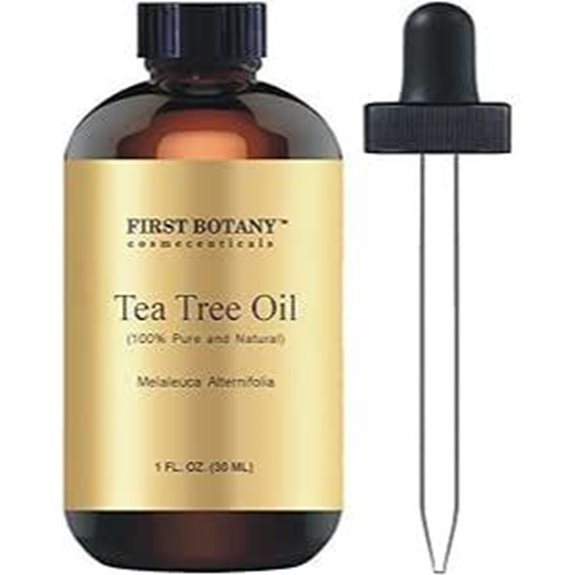 | Premium Purity | Purity: 100% pure, natural, unadulterated | Source/Origin: Australian Tea Tree | Usage Type: Skin/Scalp care | VIEW LATEST PRICE | See Our Detailed Review |
| Cliganic Organic Tea Tree Essential Oil |  | Certified Organic | Purity: 100% Pure Natural | Source/Origin: (Origin not specified) | Usage Type: Aromatherapy diffuser | VIEW LATEST PRICE | See Our Detailed Review |
| Tea Tree Essential Oil (16 oz) Therapeutic Grade | 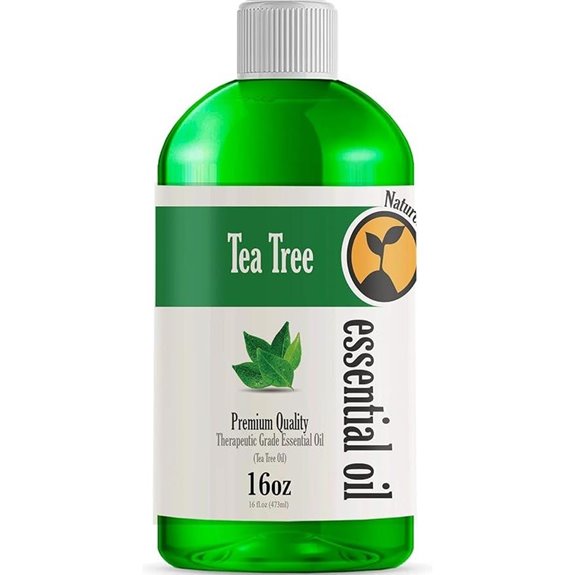 | Bulk Therapeutic | Purity: Therapeutic Grade Essential Oil | Source/Origin: Tea Tree (general) | Usage Type: DIY/home care + aromatherapy | VIEW LATEST PRICE | See Our Detailed Review |
| NaturoBliss Tea Tree Essential Oil (4 oz) | 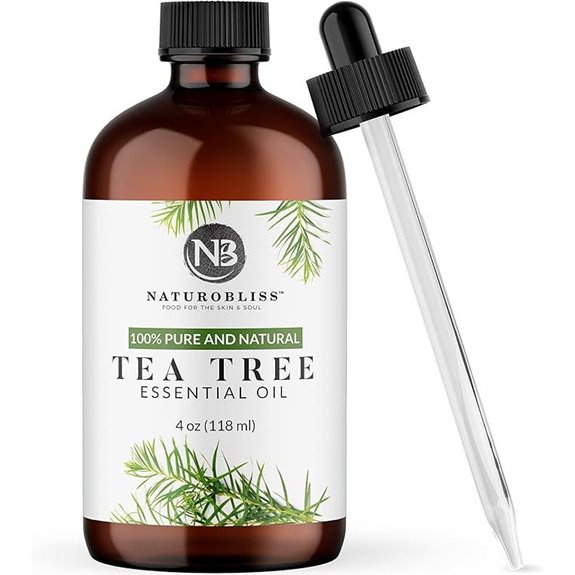 | Lifetime Guarantee | Purity: 100% Pure Tea Tree Essential Oil | Source/Origin: (Origin not specified) | Usage Type: Aromatherapy/relaxation | VIEW LATEST PRICE | See Our Detailed Review |
| SU JUABA Tea Tree Essential Oil (4 oz) | 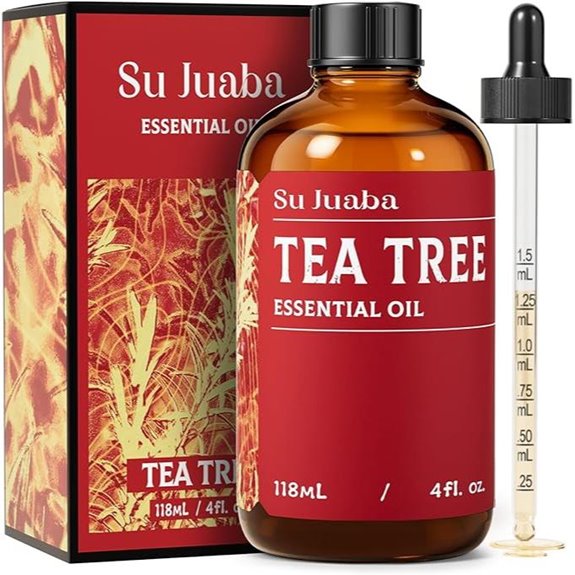 | Natural Aromatherapy | Purity: 100% Natural Aromatherapy Oil | Source/Origin: (Origin not specified) | Usage Type: Aromatherapy, diffusers, personal care | VIEW LATEST PRICE | See Our Detailed Review |
More Details on Our Top Picks
First Botany Tea Tree Essential Oil 1 fl oz
First Botany Tea Tree Essential Oil 1 fl oz stands out for buyers seeking a pure, pharmaceutical-grade option in 2026. You get 1 fl oz of 100% pure Australian Tea Tree oil, AAA+ grade, part of the premium Gold series. The product is steam-distilled from fresh leaves, yielding high Terpinen-4-ol content. It’s pharmaceutical caliber, unadulterated, with no additives or preservatives. You can apply it to skin or scalp as needed for acne, dandruff, or toenail issues. It’s unfiltered and undiluted, bottled in the USA, and designed to maintain purity and efficacy without fillers. Overall, practical, reliable, and easy to use.
- Purity:100% pure, natural, unadulterated
- Source/Origin:Australian Tea Tree
- Usage Type:Skin/Scalp care
- Packaging Type:1 fl oz bottle
- Safety/Usage Notes:Dilute as needed; topical use
- Certification/Quality Claims:AAA+ Grade, pharmaceutical caliber
- Additional Feature:AAA+ Grade premium
- Additional Feature:100% pure Australian
- Additional Feature:Therapeutic grade bottled USA
Cliganic Organic Tea Tree Essential Oil
Cliganic Organic Tea Tree Essential Oil stands out for buyers seeking a 100% pure, single-ingredient option that’s certified organic and cruelty-free. You get 100% pure, natural oil with no synthetic additives, and it’s Non-GMO Verified. The product carries USDA Organic Certification and is third-party tested for purity, plus it’s certified vegan and cruelty-free. This oil is a single-ingredient option, suitable for diffuser use and multiple applications, with packaging that may vary. Cliganic emphasizes quality and integrity, so you can trust the brand. It’s a straightforward choice if you want a clean, multipurpose tea tree oil for daily use.
- Purity:100% Pure Natural
- Source/Origin:(Origin not specified)
- Usage Type:Aromatherapy diffuser
- Packaging Type:Bottle (packaging may vary)
- Safety/Usage Notes:Not for internal use; patch test advised
- Certification/Quality Claims:USDA Organic Certified; 3rd Party Tested
- Additional Feature:USDA Organic Certified
- Additional Feature:3rd Party Purity Tested
- Additional Feature:Non-GMO Verified
Tea Tree Essential Oil (16 oz) Therapeutic Grade
This 16 oz batch of Tea Tree Essential Oil is ideal for readers who want a bulk, therapeutic-grade option they can rely on for multiple DIY projects and household use. This 16oz bulk size is labeled Therapeutic Grade and comes in a 16 Fl Oz bottle. It’s versatile for homemade sprays, hair care, body care, and diffusers, and blends well with Frankincense and Peppermint. For DIY projects like scrubs, bath bombs, and candles, it fits well. Dilute with a carrier oil for skin, store cool, and keep away from kids and pets. Consider it as a practical gift option too.
- Purity:Therapeutic Grade Essential Oil
- Source/Origin:Tea Tree (general)
- Usage Type:DIY/home care + aromatherapy
- Packaging Type:16 oz bulk bottle
- Safety/Usage Notes:Dilute with carrier oil; patch test
- Certification/Quality Claims:Therapeutic Grade
- Additional Feature:16 oz bulk size
- Additional Feature:Ideal for DIY projects
- Additional Feature:Winter aroma blending
NaturoBliss Tea Tree Essential Oil (4 oz)
NaturoBliss 100% Pure Tea Tree Essential Oil comes in a 4 fl oz (120 ml) bottle and is steam distilled for purity, making it a solid option for those seeking a larger, cost-effective bottle for regular use. You get undiluted, therapeutic grade oil with a fresh, calming, green woody aroma that suits aromatherapy and relaxation. The product ships in a glass bottle with UV coating and includes a free premium glass dropper for precise use. Safety notes: not for internal use, avoid eyes, keep away from kids, and dilute for topical use with a carrier oil. Lifetime warranty included.
- Purity:100% Pure Tea Tree Essential Oil
- Source/Origin:(Origin not specified)
- Usage Type:Aromatherapy/relaxation
- Packaging Type:4 fl oz glass bottle
- Safety/Usage Notes:Not for internal use; avoid eyes; dilute for topical
- Certification/Quality Claims:Lifetime warranty; premium quality
- Additional Feature:4 fl oz bottle
- Additional Feature:UV protective glass
- Additional Feature:Lifetime warranty
SU JUABA Tea Tree Essential Oil (4 oz)
SU JUABA 4 Oz Tea Tree Essential Oil stands out for its pure, steam-distilled formulation, delivering 118 ml of 100% natural aromatherapy oil without additives. You can use it in diffusers, massage oils, and personal care products. The oil is extracted without additives, ensuring a clean aroma. For hair care, mix 3–4 drops with a carrier oil to soften dry hair and boost scent. For skin, dilute 2–3 drops before applying to clean skin. Add 2–3 drops to a diffuser for relaxation. Comes in amber glass with droppers; test on skin first and follow packaging guidelines.
- Purity:100% Natural Aromatherapy Oil
- Source/Origin:(Origin not specified)
- Usage Type:Aromatherapy, diffusers, personal care
- Packaging Type:4 oz amber glass bottle
- Safety/Usage Notes:Dilute with carrier oil; skin test recommended
- Certification/Quality Claims:100% Natural Aromatherapy Oil (no explicit certs listed)
- Additional Feature:4 oz amber bottle
- Additional Feature:Hair and skin care use
- Additional Feature:Aromatherapy diffuser ready
Factors to Consider When Choosing Tea Tree Essential Oil
When you choose tea tree oil, check purity and purification methods, look for grades and authenticity stamps, and review sourcing and origin to know where it comes from. Consider packaging and protection options, such as dark glass bottles and airtight caps, plus safety notes on dilution and usage directions, to protect quality and your skin. I’d keep an eye on price points and simple labels, aiming for clear information and reasonable cost so you can pick a reliable product without guesswork.
Purity and Purification
Look for tea tree oil that’s labeled as 100% pure and unadulterated, since that designation helps ensure you’re getting quality and efficacy. When you pick a bottle, note the extraction method—steam distillation from fresh leaves is standard and preserves most therapeutic properties. Check certification like USDA Organic or Non-GMO, because these marks signal higher purity and quality control. Verify third-party testing for purity, confirming no synthetic additives or contaminants are present. Consider bottle color and size: dark glass, typically 10–30 ml, protects against light and maintains potency over months. Look for clear labeling of allergen info, batch numbers, and shelf life. If prices seem suspiciously low, compare guarantees and testing results before buying. Prioritize reliable brands with transparent testing records.
Grade and Authenticity
Grade and authenticity matter when you’re choosing tea tree essential oil. You want 100% pure and unadulterated oil to ensure authenticity and effectiveness, so read labels carefully. Consider the grade of the oil; therapeutic or pharmaceutical-grade oils indicate higher quality and purity, which matters for reliable results. Certifications like USDA Organic or Non-GMO Verified can boost trust in quality and sourcing, so look for them on the bottle or packaging. Check the extraction method; steam distillation is reputable and helps preserve therapeutic properties. Also note the concentration of key compounds, such as Terpinen-4-ol, because higher levels often mean a more potent oil. Use this as a practical guide, then compare options within your budget and needs.
Sourcing and Origin
Sourcing and origin matter when choosing tea tree essential oil, because where the oil comes from and how it’s produced affect its potency and safety. You’ll find oils from Australia often have higher Terpinen-4-ol content, a key therapeutic compound, which can influence effectiveness. Look for products marketed as 100% pure and natural, meaning no dilution or synthetic additives. The extraction method matters too; steam distillation is common and tends to preserve purity, but confirm how the oil was processed. Certification from trusted bodies, like USDA Organic, can indicate sustainable sourcing and absence of harmful pesticides or GMOs. The plant’s origin matters most: Melaleuca alternifolia from Australia is typically preferred for quality and therapeutic properties. Consider origin, processing, and certifications together for safer, more reliable use.
Packaging and Protection
Packaging matters when you’re choosing tea tree essential oil. You want dark glass bottles, like amber or cobalt, to keep sunlight from degrading quality and potency. A good dropper matters too, since precise dispensing minimizes air exposure and oxidation. Check that the bottle has an airtight seal to prevent contamination and evaporation. Bottle size can affect freshness; smaller bottles are often better for regular use, reducing air exposure after opening. Labels should list storage guidance, so you know to keep the oil cool and dry to preserve properties. Look for clear instructions on shelf life and handling, and ensure the packaging feels sturdy and leak-proof. These details help you maintain potency and extend usefulness without guessing.
Safety and Dilution
When you choose tea tree essential oil, safety and dilution should come first, because improper use can irritate skin or cause reactions if you don’t dilute it or test for sensitivity. You should always dilute with a carrier oil before topical use to prevent irritation and ensure safe application. Do a patch test on a small area first to check for allergic reactions or sensitivity. Avoid internal use unless a healthcare professional guides you, as it is not generally recommended. Keep the oil out of reach of children and avoid eye contact to prevent harm. Pregnant or nursing individuals should consult a doctor before use, since effects aren’t fully established. This helps you use tea tree oil confidently and safely.
Certifications and Testing
Certifications and testing matter when you’re choosing tea tree essential oil. You’ll want products with certifications like USDA Organic and Non-GMO, since they point to stricter agricultural standards and cleaner sourcing. Look for 3rd party testing for purity to confirm the oil is free from contaminants and meets industry standards for therapeutic use. Check for vegan and cruelty-free certification to support ethical sourcing and manufacturing practices. Certifications also offer transparency about sourcing and production, helping you trust the brand’s claims. Quality assurance through rigorous testing and certifications helps you select oils that are safe and effective for your intended uses. When comparing bottles, note stated test results, certification logos, and the issuing organization on the label.
Versatility and Uses
Tea tree essential oil is highly versatile and user-friendly, making it a practical choice for skincare, hair care, cleaning, and DIY projects. You can add it to your skincare routine to reduce blemishes when diluted with a carrier oil, or use it in hair care for scalp health. In cleaning, mix a few drops with water and a splash of vinegar for surfaces, floors, and bathrooms. It also works in aromatherapy diffusers, creating a refreshing, calming scent that may aid relaxation. For DIY projects, blend into candles, body scrubs, and bath bombs for personalized products. When using topically, always dilute and test a small area. Prices vary by bottle size, typically $6–$20, depending on brand and purity.
Frequently Asked Questions
Is Tea Tree Oil Safe for Pets and Children?
Yes, tea tree oil isn’t safe for pets or small kids in undiluted form and should be used with caution. For pets, avoid skin contact, use only after dilution to 0.5–1% if advised, and never in ingestion or near eyes, ears, or noses. For children, dilute heavily, keep away from mouths, and supervise use on skin. Always consult a vet or pediatrician before use, follow label directions, and choose pure, quality oils. Prices vary by brand.
How Is Therapeutic Grade Determined or Verified?
Therapeutic grade isn’t an official standard; it’s a marketing term buyers should verify. Look for independent testing, like GC/MS reports, and clear sourcing details from a reputable producer. Check essential oil purity: 100% pure tea tree, steam distilled, no fillers or additives. Read certificate numbers, batch codes, and third-party lab results. Compare prices, confirm ingredient lists, and review safety notes. Ask for potency estimates, typically 0.5–2% for topical use, and follow label directions.
Can Tea Tree Oil Be Ingested or Should It Be Topical Only?
Tea tree oil should be used topically only unless a healthcare professional advises otherwise. Ingesting can cause severe irritation, vomiting, or nerve damage, and products aren’t standardized for safe consumption. If you must use it, dilute to a small ratio (1–2 drops per teaspoon of carrier oil) and avoid near eyes or mucous membranes. Store away from kids, and never take essential oils as a daily supplement. Seek medical guidance for any accidental ingestion.
What Are Signs of Tea Tree Oil Irritation or Allergy?
Signs of tea tree oil irritation or allergy include redness, burning, itching, or swelling where it’s applied, possible rash, hives, or blistering, and in rare cases, trouble breathing or swelling of the face if you’re allergic. Start with a patch test: dilute to 1% in a carrier oil, apply to the forearm, wait 24 hours. Discontinue use if irritation appears, and seek medical help for severe reactions.
Do Store-Bought Bottles Require Dilution Before Use?
Yes, store-bought tea tree oil bottles generally require dilution before use. Most labels recommend a 1% to 5% dilution for skin applications, which means about 1 drop per 20 drops of carrier oil (1% for sensitive areas, 5% for tougher spots). For aromatherapy, you can use 3–5 drops in a diffuser per 100 ml of water. Always patch test on skin first, and follow the product’s directions for safety and measurements.
Wrapping It Up
If you’re choosing tea tree oil, look for 100% pure, undiluted, and therapeutic-grade options with a reputable batch COA. Consider bottle size, like 1 fl oz for everyday use or 4 oz/16 oz for long-term needs, and check prices to match value. Compare certifications, organic claims, and scent strength, then pick a brand that matches your budget and skin tolerance. Practical picks tend to be clear labels, safe packaging, and consistent quality at a fair price.


You May Also Like

7 Best Lemon Essential Oil for 2026 (Fresh Picks You’ll Love)

7 Best Rosemary Essential Oil for 2026 (Scent, Purity, & Purposes)
