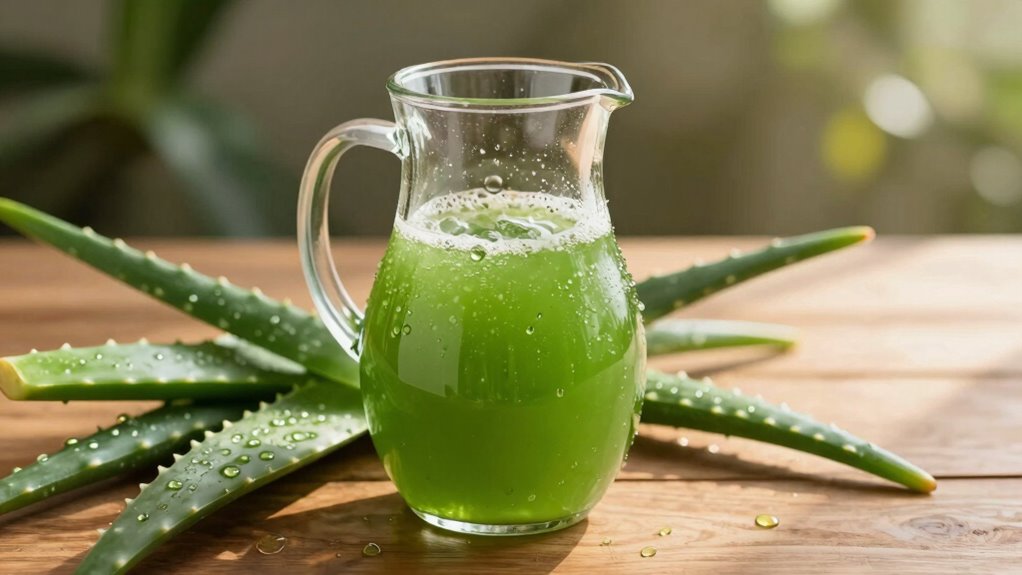
4 Best Aloe Vera Juices for 2026 (Pure Goodness in Every Sip)
Here are four solid aloe vera juices for 2026: Aloe Vera Juice with Digestive Enzymes, 64 fl oz, non-GMO, vegan and gluten-free; Lily of the Desert Aloe Vera Juice, 128 oz, whole-leaf, with natural vitamins and enzymes; Lily of The Desert Whole Leaf Aloe Vera Juice, 16 fl oz, organic, non-GMO, gluten-free, vegan and kosher; George’s Aloe Vera Liquid Supplement, 128 oz, pure with no preservatives or bitterness. Compare price per ounce, purity, and Aloesorb content to fit your needs, and you’ll see more options soon.
| Aloe Vera Juice with Digestive Enzymes 64 Fl Oz |  | Best Digestive Support | Bottle Size: 64 Fl Oz | Plant Type: Whole Leaf | Diet Compatibility: Vegan | VIEW LATEST PRICE | See Our Detailed Review |
| Lily of the Desert Aloe Vera Juice (128 oz) |  | Aloe with Aloesorb Highlight | Bottle Size: 128 Fl Oz | Plant Type: Whole Leaf | Diet Compatibility: Vegan | VIEW LATEST PRICE | See Our Detailed Review |
| Lily of The Desert Aloe Vera Juice Whole Leaf 16 Fluid Ounce |  | Organic Whole Leaf Favorite | Bottle Size: 16 Fl Oz | Plant Type: Whole Leaf | Diet Compatibility: Vegan | VIEW LATEST PRICE | See Our Detailed Review |
| George’s Aloe Vera Liquid Supplement 128 oz |  | Purity-First Formula | Bottle Size: 128 oz | Plant Type: Not specified (Aloe Vera liquid supplement) | Diet Compatibility: Not specified | VIEW LATEST PRICE | See Our Detailed Review |
More Details on Our Top Picks
Aloe Vera Juice with Digestive Enzymes 64 Fl Oz
If you’re seeking a broad digestive support in a single bottle, Aloe Vera Juice with Digestive Enzymes, 64 Fl Oz from Lily of the Desert is a solid choice. You’ll get whole leaf, filtered aloe vera juice that’s non-GMO, gluten-free, vegan, and kosher, with natural digestive enzymes for gut health. The product is organic and enriched with vitamins, amino acids, and enzymes. It supports gut health, boosts immunity, and aids overall wellness. It may help with digestion and stomach relief, and could assist detox efforts through juice cleanse. Sourced from Lily of the Desert fields, it includes Aloesorb for added benefits. Price varies by retailer.
- Bottle Size:64 Fl Oz
- Plant Type:Whole Leaf
- Diet Compatibility:Vegan
- Certification Status:Organic (bio-active, non-GMO)
- Key Ingredient Highlight:Aloesorb
- Usage Guidance:Daily health supplement
- Additional Feature:Bio-active Aloesorb content
- Additional Feature:Whole leaf, filtered juice
- Additional Feature:Non-GMO and kosher
Lily of the Desert Aloe Vera Juice (128 oz)
Lily of the Desert Aloe Vera Juice (128 oz) stands out for those seeking a large, whole-leaf filtered option with a clear wellness focus. You get a 128 Fl Oz bottle, non-GMO, with natural vitamins and digestive enzymes aimed at gut health and overall wellness. The product features Aloesorb, a concentrated polysaccharide blend that enhances benefits. Consume 1-2 ounces daily, alone or mixed into a cool drink, about 30 minutes before meals. It’s gluten-free, vegan, and kosher. Founded in 1971 in Denton, Texas, Lily of the Desert emphasizes sustainable, innovative aloe products and quality you can rely on.
- Bottle Size:128 Fl Oz
- Plant Type:Whole Leaf
- Diet Compatibility:Vegan
- Certification Status:Non-GMO
- Key Ingredient Highlight:Aloesorb
- Usage Guidance:1-2 oz daily, before meals
- Additional Feature:128 Fl Oz bottle
- Additional Feature:1-2 ounces daily
- Additional Feature:Aloe vera with Aloesorb
Lily of The Desert Aloe Vera Juice Whole Leaf 16 Fluid Ounce
This Lily of the Desert Aloe Vera Juice Whole Leaf, 16 Fluid Ounce stands out for anyone seeking a certified organic, non-GMO option with a clear gut-health focus. You get USDA organic, non-GMO, gluten-free, vegan, and kosher labeling, with a bio-active juice that packs vitamins, amino acids, and enzymes. It features Aloesorb, a patent-pending ingredient exclusive to Lily of the Desert, which may boost digestive benefits. Consume 1-2 ounces daily, alone or in a cool drink, about 30 minutes before meals. The brand, founded in 1971 in Denton, Texas, emphasizes health and sustainability through innovative aloe vera products.
- Bottle Size:16 Fl Oz
- Plant Type:Whole Leaf
- Diet Compatibility:Vegan
- Certification Status:USDA-certified organic
- Key Ingredient Highlight:Aloesorb
- Usage Guidance:1-2 oz daily, before meals
- Additional Feature:USDA-certified organic
- Additional Feature:1-2 ounces daily
- Additional Feature:Digestive enzyme-rich
George’s Aloe Vera Liquid Supplement 128 oz
George’s Aloe Vera Liquid Supplement, 128 oz, is a solid choice if you’re looking for a large, pure aloe product with simple ingredients. This fractionally distilled liquid comes from Aloe Vera leaves and is free of preservatives, additives, bitterness, and anthraquinone. It’s described as an always active formulation, focusing on purity and safety. Health claims aren’t FDA-approved, and it isn’t meant to diagnose or treat any disease. Follow the recommended directions for use, and note there are no specific instructions provided here. It highlights a straightforward, bulk option for daily aloe supplementation, with practical, consumer-friendly details.
- Bottle Size:128 oz
- Plant Type:Not specified (Aloe Vera liquid supplement)
- Diet Compatibility:Not specified
- Certification Status:Not specified
- Key Ingredient Highlight:Purified aloe liquid (no Aloesorb mention)
- Usage Guidance:Follow directions on label
- Additional Feature:Fractionally distilled liquid
- Additional Feature:Free of preservatives
- Additional Feature:No anthraquinone
Factors to Consider When Choosing Aloe Vera Juice
When you choose aloe vera juice, check the source quality and whether the brand lists the plant part used, grown without excess pesticides, and clearly states the aloe content. Look for purity and any additives, like sweeteners or colorings, and note the presence of Aloesorb or other absorption aids on the label. Also confirm organic certification, serving size, and price per serving to compare value, aiming for transparent packaging and honest labeling.
Aloe Vera Source Quality
Choosing a high-quality aloe vera juice starts with the source, since organic and non-GMO certifications often signal higher purity and fewer contaminants. You’ll want to know where the aloe comes from, and how it’s grown, because clean farming protects potency. Whole leaf processing preserves more nutrients, including vitamins, amino acids, and enzymes, than juices made only from inner fillet or processed extracts. Look for labels mentioning polysaccharides like Aloesorb, which can boost health benefits. Sustainable sourcing matters too, since environmental health can affect potency and consistency you rely on. The extraction method matters: cold-pressed processes tend to keep more bioactives than heat methods. Compare products for clear sourcing notes, and consider price ranges that reflect quality, purity, and impact.
Purity and Additives
A pure aloe vera juice should be free of preservatives and added ingredients, so start by checking the label for any additives, sweeteners, or coloring. You’ll want juices made from whole leaf or organic aloe vera, as these often offer higher nutrient content and bioactive compounds. Look for products that are free from bitterness and anthraquinones, indicating a more refined, palatable juice. Verify the juice is non-GMO, gluten-free, vegan, and kosher to meet dietary needs. Check for third-party testing or certifications to confirm purity and quality. Consider labels that mention glass or BPA-free bottles, clear serving sizes, and price per liter to compare value. If in doubt, choose a shorter ingredient list and documented production steps for reliability.
Aloesorb Content Presence
Aloesorb content presence can significantly influence how you choose an aloe vera juice, since this patent-pending, polysaccharide-rich ingredient boosts vitamin and mineral absorption for better gut health. You’ll see Aloesorb marketed as a premium feature, helping digestion and nutrient uptake compared with products without it. When comparing labels, look for clear mention of Aloesorb on the ingredient list or product notes, and note any claims about enhanced gut wellness or improved absorption. Brands charging a higher price often include Aloesorb, with some bottles focusing on 500 ml to 1 liter sizes. If you want measurable value, ask for third-party testing showing Aloesorb content and consistency. In practice, Aloesorb presence can be a practical tiebreaker for health-focused shoppers.
Organic Certification Status
Organic certification shows the product is made without synthetic pesticides, herbicides, or GMOs, and it’s one of the clearest ways to know you’re getting a more natural juice. When you see USDA Organic on a label, know it means at least 95% of ingredients are organic and verified by standards bodies. Look for “USDA Certified Organic” to confirm compliance and avoid confusion with similar stamps. Organic aloe vera is often tied to higher nutrient levels because there are fewer chemical fertilizers, which can affect minerals and vitamins. Choosing organic supports sustainable farming, reduces environmental impact, and may align with tighter quality controls. If you want purity you can trust, prioritize certified organic options every time you shop.
Serving Size Guidance
When choosing aloe vera juice, you’ll want clear guidance on serving sizes and how to fit it into your routine. Start with a small amount, then adjust as needed. Typical recommended servings range from 1 to 2 ounces daily for benefits. Try taking it 30 minutes before meals to help digestion and nutrient absorption. Check the product label for exact guidance, since formulations vary. If you’re new, begin with 1 ounce and watch your tolerance and comfort over a week. You can incorporate it into daily or occasional use, depending on your goals. Remember that frequency isn’t fixed; some people prefer regular use, others sporadic. Always follow manufacturer directions and note how you feel after each serving.
Dietary Compatibility
Choosing aloe vera juice that fits your dietary needs starts with checking labels for compatibility features like non-GMO, gluten-free, vegan, and kosher options, since these designations help you match your restrictions and preferences. When you read labels, note whether the juice is USDA-certified organic, which signals strict farming standards and cleaner ingredients. Look for products without preservatives or additives, as this supports a clean, whole-food approach. Also verify that the juice is free from anthraquinone, a compound that can upset sensitive stomachs or conflict with certain diets. Many juices from whole leaves retain natural vitamins and enzymes, aligning with various lifestyle choices. If you stay mindful of certifications and ingredient lists, you’ll find options that fit your diet and taste.
Storage and Freshness
Storage and freshness really come down to temperature, light, and timing. You should store aloe vera juice in a cool, dark place to keep its freshness and prevent degradation of vitamins and enzymes. Once opened, refrigerate it and aim to finish the bottle within a few weeks to preserve quality and efficacy. Exposure to light and heat speeds up nutrient loss, so choose shelves or containers that block light and avoid sunny spots. Always check the expiration date on the packaging to ensure it’s still fresh and safe to drink. Use properly sealed containers to prevent contamination and extend storage life. These habits help you enjoy the juice at its best, day after day.
Price and Value Suitability
Prices per ounce matter when you’re shopping for aloe vera juice. You should compare price per ounce to judge value, not just sticker price, because bottle size changes the total cost. Look for a balance between affordability and quality, favor organic or non-GMO labels when possible, but don’t ignore price. Check the concentration of active ingredients—vitamins and enzymes—since higher concentration can justify a higher price. Packaging size matters too; larger bottles often offer better value per ounce, but verify freshness dates and storage needs. Be wary of extra health claims; unique ingredients may add value, yet raise price. Track total cost over a month to see true value, and prioritize products with clear ingredient lists and transparent labeling.
Frequently Asked Questions
Is Aloe Vera Juice Caffeine-Free and Vegan-Friendly?
Yes, most aloe vera juices are caffeine-free and vegan-friendly. Check labels to confirm, but pure aloe blends typically skip caffeine and animal-derived ingredients. Watch for additives like honey or dairy, which can negate vegan status. Many brands offer 8–16 fl oz bottles priced around $6–$12, with no artificial colorings. If you’re sensitive to processing, look for 100% juice or certified vegan on the label. Always read ingredient lists for peace of mind.
How Should I Store Aloe Juice After Opening?
Store aloe juice in the fridge after opening. Keep it tightly capped in the coldest shelf, ideally at 34–40°F (1–4°C). Use within 7–14 days, and check the label for any product-specific window. If the juice separates, shake well before use. Don’t leave it out at room temperature for more than two hours, and discard if it smells off or shows changes in color or texture. Label with date to track freshness.
What Age Groups Can Safely Consume Aloe Vera Juice?
You can safely consume aloe vera juice if you’re generally healthy and follow serving guidelines. Adults typically can have 4 to 8 ounces per day, while kids should stick to 1 to 4 ounces, depending on age and doctor guidance. Avoid daily use when pregnant, nursing, or if you have kidney problems, ulcers, or bowel conditions. Start with a small amount, watch for reactions, and choose products with no added laxatives or artificial flavors.
Does This Juice Contain Added Sugars or Preservatives?
Yes, it may include added sugars or preservatives, but it varies by brand. Check the label for “added sugars” and ingredients like citric acid, potassium sorbate, or sodium benzoate. Look for products labeled “100% pure aloe juice” or “no added sugar,” and review the Nutrition Facts for total sugars per serving, usually 0–6 g. If you want lower additives, choose blends with minimal ingredients, and verify the packaging date for freshness.
Are There Daily Dosage Guidelines for Adults?
Daily dosage guidelines vary by product, so always read the label and follow the manufacturer’s directions. For adults, many aloe juices suggest 2–4 ounces (60–120 ml) per day, up to 8 ounces (240 ml) in divided servings, but avoid excess because it can cause cramps or laxative effects. If you’re pregnant, nursing, have kidney issues, or take meds, check with a clinician first. Start with a small amount to assess tolerance.
Wrapping It Up
You want a quick, practical takeaway about these aloe vera juices. These options include Digestive Enzymes 64 fl oz, Lily of the Desert 128 oz, Lily of the Desert Whole Leaf 16 fl oz, and George’s 128 oz, each with clear bottle sizes and basic benefits. Consider price per ounce, ingredients like whole leaf or purified juice, and any added enzymes. If you value volume, Lily of the Desert 128 oz is cost-effective; for portability, the 16 oz bottle works well.


You May Also Like

4 Best Chamomile Tea for 2026 (Calm in a Cup)

8 Best Turmeric Tea for 2026 That Sips Wow You
